HONG KONG and BEIJING, June 12, 2026 /PRNewswire/ -- CSTS Enterprises ("CSTS") today announced a strategic collaboration with legendary German Bundesliga club Borussia Dortmund (BVB) aimed at deepening football culture, youth engagement, and fan experiences across Mainland China.

Through its Generation C initiative, CSTS will work closely with Borussia Dortmund to deliver a series of football-driven events, community initiatives, and digital activations, anchored by the club's iconic mascot, "EMMA".
Bringing BVB and EMMA Closer to Chinese Fans
As one of the most popular European football clubs in China, Borussia Dortmund has built a strong connection with Chinese supporters over the past decade. EMMA, the club's beloved mascot, has emerged as a recognisable and engaging figure among supporters through regular appearances at football festivals, retail activations, charity events, and youth programmes.
Under the collaboration, CSTS will spotlight EMMA across a curated programme of fan-focused initiatives designed to connect more deeply with local audiences. These will include:
Expanding Fan Engagement Through Asia Tour Activations
As part of the partnership, CSTS will support a range of initiatives tied to Borussia Dortmund's upcoming Asia Tour aimed at expanding access, engagement, and visibility for fans in the region. Key components include:
Driving Community Impact and Youth Development
The collaboration emphasises grassroots football and community impact. EMMA will make physical appearances at CSTS activations, including youth football experiences and welfare institute visits to inspire young players and fans.
The partnership reflects CSTS's commitment to meaningful football experiences and supports Borussia Dortmund's Asian fan engagement strategy across grassroots development, digital innovation, and community outreach – creating lasting value for fans, young athletes, and communities across China.
Further announcements on specific event dates, activations and initiatives in coming weeks.
About CSTS Enterprises
CSTS Enterprises is an integrated media, entertainment, sports, and travel technology group. The company develops and partners with intellectual properties and brands to deliver compelling experiences that connect with local and regional audiences across the world. In addition to its own initiatives, including Generation C and PremierX, it collaborates with international IPs such as the FIFA World Cup, Formula 1, and Waterbomb.
CSTS integrates experiential marketing, tourism, data, and technology to deliver connected audience experiences. The company engages consumers across physical events and digital channels, working with clients to execute at scale across markets, turning complex activations into co-ordinated, measurable outcomes.
About Borussia Dortmund
Borussia Dortmund (BVB) is one of the most iconic and successful football clubs in Germany. With over 80,000 spectators on average, BVB offers a vibrant matchday experience in Signal Iduna Park, featuring the iconic "Yellow Wall"—Europe's largest standing terrace. Founded in 1909, the club is built on a tradition of "True Love," focusing on passionate fan engagement, high-energy football, and community unity. Driven by a 50+1 fan-ownership policy, Borussia Dortmund is dedicated to affordable ticket prices, authentic fan experiences, and a strong, accessible partnership model.

 View original content to download multimedia:https://www.prnewswire.co.uk/news-releases/csts-and-borussia-dortmund-partner-to-bring-emma-and-football-culture-closer-to-chinese-fans-302798897.html

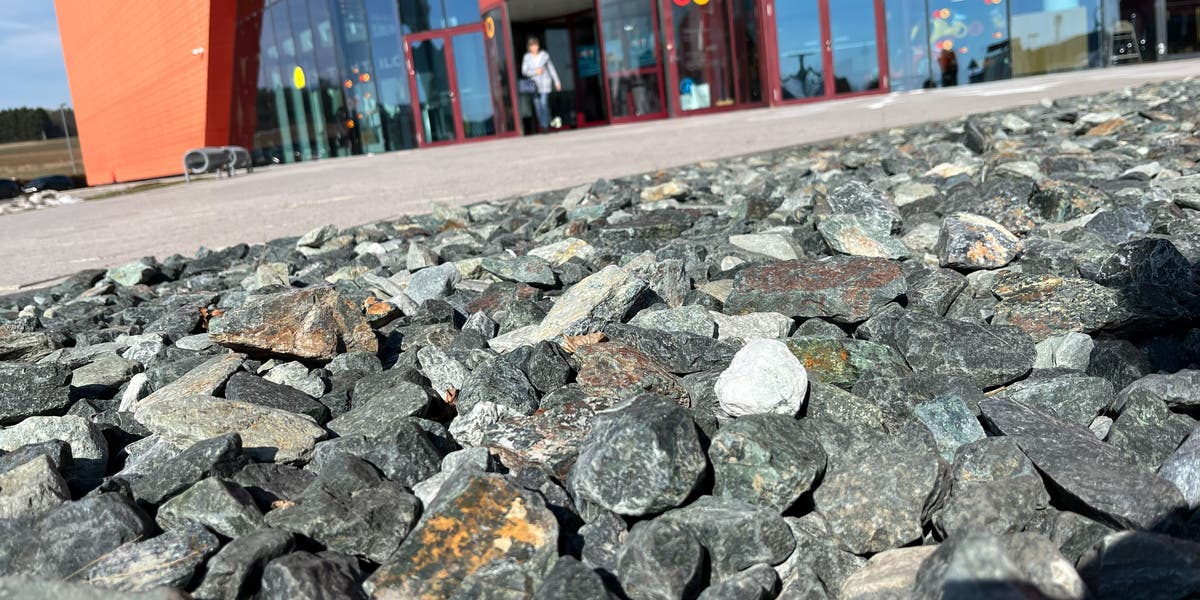
Der Asbest-Skandal rund um mehrere Steinbrüche im Burgenland entwickelt sich zu einer Milliardenbelastung für die öffentliche Hand. Nach einer neuen Berechnung der Umweltorganisation Greenpeace wird der materielle Schaden durch Entsorgung und Sanierung mindestens 1,6 Milliarden Euro betragen. Betroffen sind nicht nur das Burgenland, sondern auch Teile der Steiermark, Niederösterreichs sowie Gebiete in Ungarn, in die asbesthaltiges Material geliefert oder verbaut wurde.
Grundlage der Kostenschätzung ist die Annahme, dass seit 1990 rund 26 Millionen Tonnen asbesthaltiges Gestein aus vier Steinbrüchen abgebaut wurden. Greenpeace geht davon aus, dass etwa 20 Millionen Tonnen kurz- oder langfristig auf Asbestdeponien landen werden, während der Rest als Straßenunterbau, Fundamente oder in privaten Gärten in der Umwelt verbleibt und kaum mehr rückholbar ist. Rund 20 Prozent des Abfalls sollen in Form von asbesthaltigem Asphalt anfallen, dessen Deponierung besonders aufwendig ist und künftige Straßensanierungen über Jahrzehnte verteuern dürfte.
Mindestens drei Viertel der veranschlagten 1,6 Milliarden Euro entfallen laut Greenpeace auf die Entsorgung des Materials, der Rest auf Sanierungen. Für die Rechnung wurde ein Entsorgungspreis von lediglich 50 Euro je Tonne angesetzt – etwa die Hälfte des vor Bekanntwerden des Skandals üblichen Marktpreises. Diese Kalkulation sei nur zu halten, wenn rasch neue, sichere und kostengünstige Deponien errichtet werden, etwa in bereits geschlossenen Steinbrüchen, argumentiert Greenpeace. Andernfalls könnten sich die Gesamtkosten nach Einschätzung der Organisation auf mindestens das Doppelte erhöhen.
Die von Greenpeace genannten Summen übersteigen die Umsätze der betroffenen Steinbruchbetreiber deutlich und dürften auch die finanziellen Möglichkeiten des Landes Burgenland überfordern. Die Umweltorganisation drängt daher auf ein Eingreifen des Bundes und fordert, Mittel aus der Katastrophenhilfe bereitzustellen und einen Rahmen für eine kostengünstige Entsorgung zu schaffen. Zugleich verweist sie auf die Verantwortung des zuständigen Umweltministers, für ausreichend Deponiekapazitäten zu sorgen, um Kostenrisiken zu begrenzen und die logistisch aufwendige Räumung der asbestbelasteten Materialien langfristig planbar zu machen.