BARCELONA, Spain and SEOUL, South Korea, Sept. 24, 2026 /PRNewswire/ -- Daewoong Pharmaceutical (Co-CEOs Seongsoo Park and Changjae Lee) announced that it presented a poster on the baseline characteristics of all 104 patients enrolled in the global Phase 2 clinical trial of its idiopathic pulmonary fibrosis (IPF) drug candidate 'Bersiporocin (DWN12088)' at the European Respiratory Society (ERS) Congress 2026, held on September 6 (local time) in Barcelona, Spain.
Idiopathic Pulmonary Fibrosis is a disease in which various inflammatory and fibrotic signals interact, leading to excessive production and accumulation of collagen. Bersiporocin, being developed by Daewoong Pharmaceutical, selectively inhibits prolyl-tRNA synthetase (PRS), thereby reducing excessive collagen production associated with fibrosis.
Bersiporocin has a differentiated mechanism of action that targets collagen synthesis downstream of multiple profibrotic signals through PRS inhibition. Based on this distinct mechanism, it is being evaluated both in patients receiving background antifibrotic therapy and in those not receiving such treatment.
This presentation analyzed the baseline clinical and functional characteristics of all IPF patients recruited in South Korea and the United States. Following the presentation of interim enrollment data at KATRDIC 2025, Daewoong Pharmaceutical presented baseline data from the fully enrolled study population for the first time at ERS 2026.
The analysis showed that of the total 104 patients, 55 (52.9%) were from South Korea and 49 (47.1%) from the US. A total of 71 patients (68.3%) were receiving background antifibrotic therapy, while 33 patients (31.7%) were not. Mean forced vital capacity (FVC) was approximately 77% predicted, while mean diffusing capacity of the lungs for carbon monoxide (DLCO) was approximately 51% predicted. Overall, baseline clinical and functional characteristics were generally similar between patients with and without background antifibrotic therapy.
The ongoing global Phase 2 study is a randomized, double-blind, placebo-controlled trial taking place in South Korea and the US. Patients receive either Bersiporocin or a placebo twice daily for 24 weeks, with concomitant use of pirfenidone or nintedanib permitted. The study design reflects real-world IPF treatment settings by including patients both with and without background antifibrotic therapy.
This baseline analysis provides important context for interpreting the Phase 2 efficacy and safety results. Daewoong Pharmaceutical plans to announce top-line Phase 2 results in the first half of 2027.
Meanwhile, Bersiporocin has received Orphan Drug Designation and Fast Track status from the US FDA, as well as Orphan Drug Designation from the European Medicines Agency (EMA), driving its global development forward.
Professor Moo Suk Park of the Department of Pulmonology at Severance Hospital, who participated in the study, said, "This study provides a comprehensive overview of the baseline characteristics of 104 IPF patients enrolled in South Korea and the US. As the study includes patients both with and without background antifibrotic therapy, these baseline data will provide important context for interpreting the efficacy and safety outcomes of Bersiporocin."
Seongsoo Park, CEO of Daewoong Pharmaceutical, stated, "Successfully completing enrollment for the global Phase 2 trial and sharing the full baseline patient profile at ERS 2026 marks a significant milestone in Bersiporocin's development. We will continue to advance the program toward top-line Phase 2 results in H1 2027 and use these findings to inform subsequent global development."
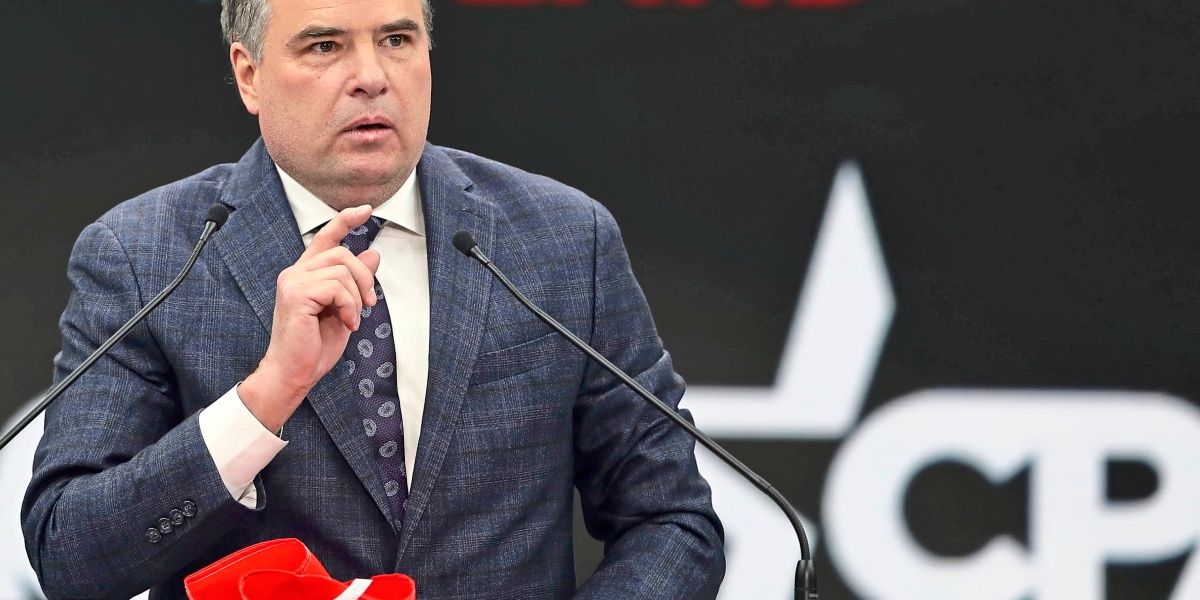
![[Photo1] Professor Moo Suk Park of the Department of Pulmonology at Severance Hospital presents the baseline patient profile analysis from the global Phase 2 trial of Bersiporocin at ERS 2026.](https://mmx.prnewswire.com/media/MS1994512/20260922203548EDT_image_1.jpg?id=OA2965690 "[Photo1] Professor Moo Suk Park of the Department of Pulmonology at Severance Hospital presents the baseline patient profile analysis from the global Phase 2 trial of Bersiporocin at ERS 2026.")
[Reference]
https://drive.google.com/file/d/1XSXImvc5mcgdoSozP_B4BnDlsTW7Pfz_/view
Link to the poster: 'Baseline Clinical and Functional Spectrum of Idiopathic Pulmonary Fibrosis Patients in a Fully Enrolled Global Phase 2 Trial of the PRS Inhibitor Bersiporocin'

 View original content to download multimedia:https://www.prnewswire.co.uk/news-releases/daewoong-pharmaceutical-presents-baseline-characteristics-of-104-patients-in-global-phase-2-trial-for-ipf-drug-candidate-bersiporocin-at-ers-2026-302886913.html

Der bewaffnete Juwelenraub im Wiener Museum für angewandte Kunst (MAK) vom 27. August ist nach Einschätzung externer Fachleute nicht auf Versäumnisse der Institution zurückzuführen. Ein 34 Seiten umfassendes Gutachten des Sicherheitsconsulting-Unternehmens LifeLine's kommt zu dem Schluss, dass das Haus sowohl bei den technischen Sicherheitsvorkehrungen als auch beim operativen Vorgehen während des Überfalls und im anschließenden Krisenmanagement korrekt gehandelt hat. Die zentrale Frage, ob das Ereignis sicherheitstechnisch und organisatorisch adäquat bewältigt wurde, beantworten die Gutachter mit einem „klaren Ja“.
Im Fokus der Untersuchung stand die Ausstellung „Glanzstücke. Van Cleef & Arpels High Jewelry x Masterpieces from the MAK Collection“, in deren Juwelenraum zwei bewaffnete Täter mitten am Nachmittag eine Vitrine einschlugen und mit einem historischen Diamantcollier flüchteten. Laut Bericht waren alle mit den Vertragspartnern vereinbarten Sicherheitsstandards und Normen erfüllt. Dazu zählten unter anderem der Einsatz von 185 Videokameras, einer dreistelligen Zahl von Alarmsensoren, speziellem Sicherheitsglas sowie geschultem Sicherheitspersonal. Der nach der Tat eingeführte Einsatz von Metalldetektoren war laut Gutachten zuvor weder verlangt noch durch bestehende Standards vorgesehen.
Besonders hervor hebt der Bericht die bewusste Entscheidung für den Vorrang des Personenschutzes vor dem Objektschutz. Aus diesem Grund verzichtete das Museum auf laute Alarmsignale während der Öffnungszeiten und auf bewaffnete Sicherheitskräfte im Ausstellungsbereich. Die direkte Alarmierung von Polizei und hauseigener Sicherheitszentrale wurde den Angaben zufolge um 14:01:22 Uhr ausgelöst und habe „optimal und effizient“ funktioniert. Auch das Verhalten der anwesenden Securitas-Mitarbeitenden wird positiv bewertet: Sie hätten eine unmittelbare Konfrontation mit den bewaffneten Tätern und damit das Risiko einer Eskalation, etwa durch Panik oder mögliche Geiselnahmen, vermieden.
Die Gutachter kommen insgesamt zu dem Befund, dass ein von professionellen Tätern geplanter und durchgeführter Raub unter regulären Öffnungsbedingungen mit „vernünftigen Mitteln“ nicht vollständig zu verhindern gewesen sei – selbst bei Einsatz moderner Überwachungstechnik und etablierter Sicherheitsprotokolle. Aus ihrer Sicht bestätigt der Fall eine bekannte Grenze musealer Schutzkonzepte: Absolute Sicherheit wäre nur um den Preis massiver Einschränkungen der Bewegungsfreiheit von Besucherinnen und Besuchern zu erreichen, formuliert das Gutachten sinngemäß. Das MAK wird damit für den konkreten Vorfall entlastet, auch wenn der spektakuläre Coup die Debatte über Sicherheitsstandards in Ausstellungshäusern neu anheizen dürfte.