LONDON, June 30, 2026 /PRNewswire/ -- Markel Insurance, the insurance operation within Markel Group Inc. (NYSE:MKL), today announced the appointment of Bhavik Desai as Managing Director – PFR & Cyber within its London Market business.
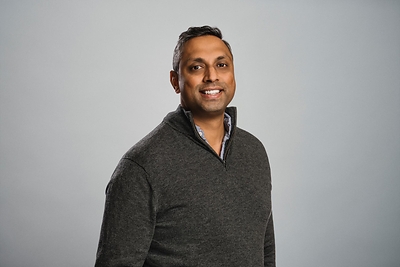
In his new role, Desai will lead underwriting strategy, portfolio performance and broker and client engagement across PFR & Cyber, supporting Markel's continued focus on disciplined underwriting, technical excellence and sustainable growth across complex specialty classes.
Desai succeeds David Sawyer, who remains with the business until his planned retirement at the end of 2026.
Since joining Markel in 2013, Desai has held a series of senior underwriting roles, including Head of Professional Indemnity and Director of Professional Indemnity, Media & Entertainment. He has extensive experience across Professional Indemnity, Media & Entertainment and related specialist lines.
Before joining Markel, Desai held underwriting leadership roles at AIG, including responsibility for London-placed Professional Indemnity business and the UK & Ireland Construction Professional Indemnity portfolio.
At Markel, Desai has helped develop the Professional Indemnity and Media portfolios, with a focus on underwriting discipline, portfolio management, broker engagement and renewal consistency.
As Managing Director, PFR & Cyber, Desai will focus on disciplined portfolio performance, developing underwriting talent and strengthening Markel's position across professional, financial and cyber-related risks. He'll also work closely with colleagues across underwriting, claims, actuarial, distribution and operations to support insight-led decision-making and modern underwriting practices.
Rohan Davies, Managing Director – London Market, commented: "Bhavik is a highly respected underwriting leader with deep technical expertise, strong broker relationships and a clear understanding of the markets in which our PFR & Cyber teams operate. His appointment provides leadership continuity for the division and supports our focus on disciplined underwriting, portfolio performance and sustainable growth.
"PFR & Cyber operate in areas where risk profiles and client needs continue to evolve quickly. Bhavik's experience, judgement and collaborative leadership style make him well placed to lead the division as we continue to develop our proposition for brokers and clients."
Desai added: "I'm proud to take on this role and to lead a division with such strong specialist expertise, and market relationships. PFR & Cyber brings together areas that are increasingly important to our brokers and clients, and our focus will remain on disciplined underwriting, responsive service and long-term portfolio performance.
"We have talented people across the division and strong relationships across the market. My priority is to build on those foundations, support our teams and continue developing a business that delivers consistent value for brokers, clients and Markel."
About Markel Insurance
We are Markel Insurance, a leading global specialty insurer with a truly people-first approach. As the insurance operations within the Markel Group Inc. (NYSE: MKL), we leverage a broad array of capabilities and expertise to create intelligent solutions for the most complex specialty insurance needs. However, it is our people – and the deep, valued relationships they develop with colleagues, brokers and clients – that differentiates us worldwide.

 View original content to download multimedia:https://www.prnewswire.co.uk/news-releases/markel-international-appoints-bhavik-desai-as-managing-director-pfr--cyber-302813308.html

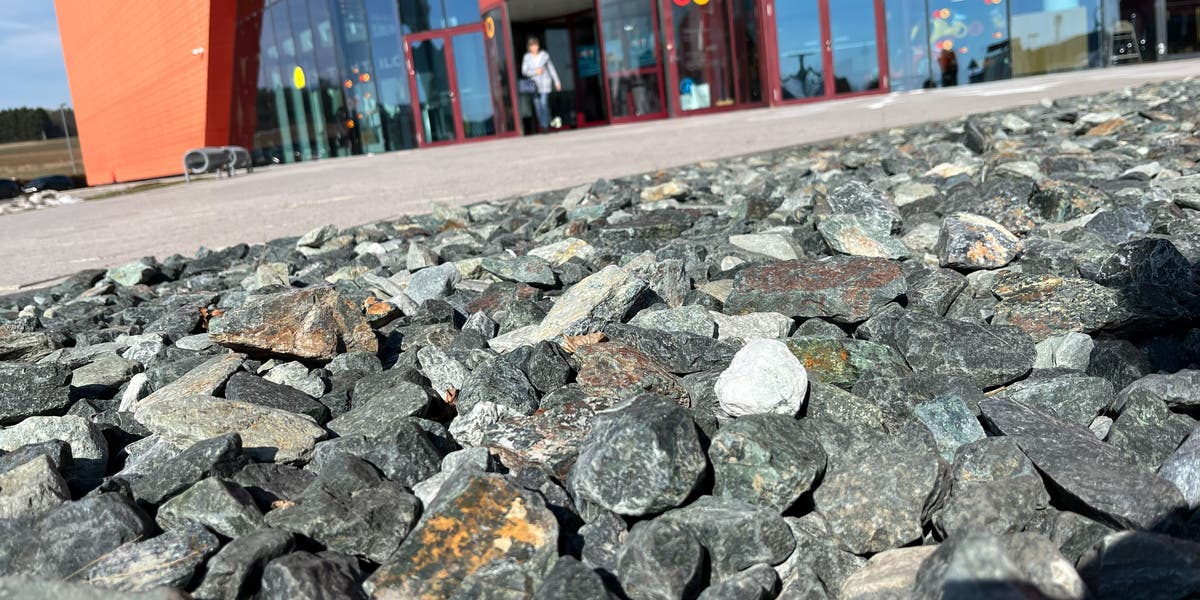
Der Asbest-Skandal rund um mehrere Steinbrüche im Burgenland entwickelt sich zu einer Milliardenbelastung für die öffentliche Hand. Nach einer neuen Berechnung der Umweltorganisation Greenpeace wird der materielle Schaden durch Entsorgung und Sanierung mindestens 1,6 Milliarden Euro betragen. Betroffen sind nicht nur das Burgenland, sondern auch Teile der Steiermark, Niederösterreichs sowie Gebiete in Ungarn, in die asbesthaltiges Material geliefert oder verbaut wurde.
Grundlage der Kostenschätzung ist die Annahme, dass seit 1990 rund 26 Millionen Tonnen asbesthaltiges Gestein aus vier Steinbrüchen abgebaut wurden. Greenpeace geht davon aus, dass etwa 20 Millionen Tonnen kurz- oder langfristig auf Asbestdeponien landen werden, während der Rest als Straßenunterbau, Fundamente oder in privaten Gärten in der Umwelt verbleibt und kaum mehr rückholbar ist. Rund 20 Prozent des Abfalls sollen in Form von asbesthaltigem Asphalt anfallen, dessen Deponierung besonders aufwendig ist und künftige Straßensanierungen über Jahrzehnte verteuern dürfte.
Mindestens drei Viertel der veranschlagten 1,6 Milliarden Euro entfallen laut Greenpeace auf die Entsorgung des Materials, der Rest auf Sanierungen. Für die Rechnung wurde ein Entsorgungspreis von lediglich 50 Euro je Tonne angesetzt – etwa die Hälfte des vor Bekanntwerden des Skandals üblichen Marktpreises. Diese Kalkulation sei nur zu halten, wenn rasch neue, sichere und kostengünstige Deponien errichtet werden, etwa in bereits geschlossenen Steinbrüchen, argumentiert Greenpeace. Andernfalls könnten sich die Gesamtkosten nach Einschätzung der Organisation auf mindestens das Doppelte erhöhen.
Die von Greenpeace genannten Summen übersteigen die Umsätze der betroffenen Steinbruchbetreiber deutlich und dürften auch die finanziellen Möglichkeiten des Landes Burgenland überfordern. Die Umweltorganisation drängt daher auf ein Eingreifen des Bundes und fordert, Mittel aus der Katastrophenhilfe bereitzustellen und einen Rahmen für eine kostengünstige Entsorgung zu schaffen. Zugleich verweist sie auf die Verantwortung des zuständigen Umweltministers, für ausreichend Deponiekapazitäten zu sorgen, um Kostenrisiken zu begrenzen und die logistisch aufwendige Räumung der asbestbelasteten Materialien langfristig planbar zu machen.