PARIS, June 11, 2026 /PRNewswire/ -- Orqa - Europe's leading developer and manufacturer of drones made without Chinese components - today announces the launch of the MRM2-10AI, a next-generation tactical drone purpose-built for contested battlefield environments and the realities of modern electronic warfare.
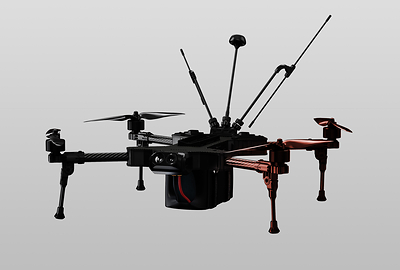
With armed forces increasingly facing radio-frequency jamming, GNSS disruption, and electronic attack, the MRM2-10AI sets a new standard in resilient communications, intelligent autonomy, and mission continuity, enabling it to succeed where conventional drone systems struggle.
At the heart of the platform is a hybrid communications architecture combining Orqa's proven IRONghost radio control system with native fiber-optic integration and automatic communications failover. This enables the MRM2-10AI to use either communication method without platform reconfiguration and instantly transition to the radio-frequency link if the fiber-optic connection is broken.
The MRM2-10AI features a powerful new Auto Pilot Board that unlocks a series of cutting-edge autonomous capabilities, including vision-based terminal guidance for GNSS-denied operations, advanced computer vision applications, battlefield analytics, and collaborative multi-drone operations.
A fully open development architecture and a supported third-party Developer Program (developer.orqafpv.com) provides a foundation for AI capabilities and software solutions, while ATAK compatibility supports seamless integration with existing battlefield management and situational awareness systems.
"As the nature of warfare continues to evolve, drone operators require systems that can remain effective in contested spaces," said Srdjan Kovacevic, co-founder and CEO of Orqa. "The MRM2-10AI combines resilient communications, onboard intelligence, and autonomous capability in a platform designed to keep missions moving. It represents the next step in tactical drone capability for today's armed forces."
Available in multiple configurations to meet a variety of mission requirements - including variants equipped with advanced thermal imaging and enhanced processing capabilities - the MRM2-10AI is being officially launched at Eurosatory 2026, the global event for defence and security in Paris.
 View original content to download multimedia:https://www.prnewswire.co.uk/news-releases/orqa-unveils-the-mrm2-10ai-at-eurosatory-a-tactical-drone-designed-to-dominate-in-the-age-of-electronic-warfare-302797302.html

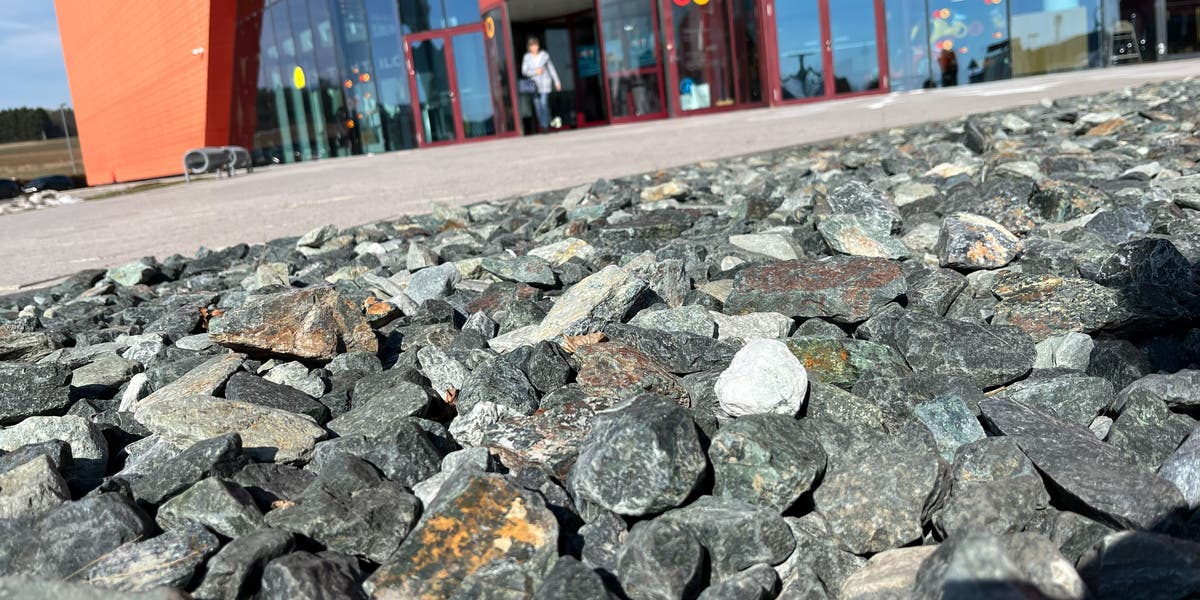
Der Asbest-Skandal rund um mehrere Steinbrüche im Burgenland entwickelt sich zu einer Milliardenbelastung für die öffentliche Hand. Nach einer neuen Berechnung der Umweltorganisation Greenpeace wird der materielle Schaden durch Entsorgung und Sanierung mindestens 1,6 Milliarden Euro betragen. Betroffen sind nicht nur das Burgenland, sondern auch Teile der Steiermark, Niederösterreichs sowie Gebiete in Ungarn, in die asbesthaltiges Material geliefert oder verbaut wurde.
Grundlage der Kostenschätzung ist die Annahme, dass seit 1990 rund 26 Millionen Tonnen asbesthaltiges Gestein aus vier Steinbrüchen abgebaut wurden. Greenpeace geht davon aus, dass etwa 20 Millionen Tonnen kurz- oder langfristig auf Asbestdeponien landen werden, während der Rest als Straßenunterbau, Fundamente oder in privaten Gärten in der Umwelt verbleibt und kaum mehr rückholbar ist. Rund 20 Prozent des Abfalls sollen in Form von asbesthaltigem Asphalt anfallen, dessen Deponierung besonders aufwendig ist und künftige Straßensanierungen über Jahrzehnte verteuern dürfte.
Mindestens drei Viertel der veranschlagten 1,6 Milliarden Euro entfallen laut Greenpeace auf die Entsorgung des Materials, der Rest auf Sanierungen. Für die Rechnung wurde ein Entsorgungspreis von lediglich 50 Euro je Tonne angesetzt – etwa die Hälfte des vor Bekanntwerden des Skandals üblichen Marktpreises. Diese Kalkulation sei nur zu halten, wenn rasch neue, sichere und kostengünstige Deponien errichtet werden, etwa in bereits geschlossenen Steinbrüchen, argumentiert Greenpeace. Andernfalls könnten sich die Gesamtkosten nach Einschätzung der Organisation auf mindestens das Doppelte erhöhen.
Die von Greenpeace genannten Summen übersteigen die Umsätze der betroffenen Steinbruchbetreiber deutlich und dürften auch die finanziellen Möglichkeiten des Landes Burgenland überfordern. Die Umweltorganisation drängt daher auf ein Eingreifen des Bundes und fordert, Mittel aus der Katastrophenhilfe bereitzustellen und einen Rahmen für eine kostengünstige Entsorgung zu schaffen. Zugleich verweist sie auf die Verantwortung des zuständigen Umweltministers, für ausreichend Deponiekapazitäten zu sorgen, um Kostenrisiken zu begrenzen und die logistisch aufwendige Räumung der asbestbelasteten Materialien langfristig planbar zu machen.