Receives More Than 27,000 Claims With Estimated Payouts Exceeding RMB 650 Million
HONG KONG and SHANGHAI, Aug. 12, 2026 /PRNewswire/ -- In response to Typhoon Dolphin, the 13th typhoon of the year, which has triggered red alerts for torrential rainfall across multiple provinces in China, including Zhejiang, Jiangsu, Anhui, Hubei, and others, Ping An Insurance (Group) Company of China, Ltd. ("Ping An," the "Company" or the "Group"; HKEX: 2318; SSE: 601318) immediately activated its emergency response mechanism and established a dedicated task force to coordinate disaster relief and customer support efforts.
Across its life, property and casualty, health, and annuity insurance businesses, Ping An has activated fast-track claims services and 24-hour customer hotline, 95511, to provide timely assistance and claims support to customers affected by the storm.
As of 2:00 p.m. on August 11, Ping An Property & Casualty Insurance ("Ping An P&C") received more than 27,000 typhoon-related claims, with estimated payouts exceeding RMB650 million. Ping An Life Insurance has received one claim and is actively assisting the customer through the process. As of the same date, no related claims have been reported to Ping An Health Insurance or Ping An Annuity Insurance.
Technology-Driven Risk Prevention Supports Disaster Preparedness
Ahead of the typhoon's landfall, Ping An P&C leveraged its proprietary "Eagle Eye DRS Risk Reduction Platform" to continuously monitor the storm's trajectory and deliver targeted weather alerts and disaster prevention guidance.
As of 2:00 p.m. on August 11, the company issued more than 48.99 million alerts, reaching 22.25 million individual customers and 1.16 million corporate clients. Ping An P&C also inspected 2,458 flood-prone locations, assisted in relocating more than 2,770 vehicles exposed to flood risks, and supported local traffic authorities in closing more than 200 high-risk road sections.
In the agricultural sector, Ping An delivered more than 6.64 million disaster alerts and risk mitigation notifications to 534,000 farmers through its app and SMS channels. The company also helped high-risk farming communities reinforce facilities and supported the emergency harvesting of more than 88,000 mu of rice ahead of severe weather conditions.
Deploying Resources to Accelerate Relief and Recovery
To address flood-related losses and secondary geological hazards caused by heavy rainfall, Ping An P&C has deployed 1,866 specialists, including flooded-vehicle claims specialists, new-energy vehicle battery system experts, and auto glass repair specialists.
The company has also mobilized 425 rescue tow trucks and more than 4,000 pieces of emergency equipment and supplies, including flood-control sandbags and water barriers, to support rescue and recovery efforts.
Ping An will continue to closely monitor weather developments and coordinate resources across the Group to provide timely emergency assistance, efficient claims settlement, and ongoing customer care.
Individuals in need of assistance, whether they are Ping An customers or not, may contact the Group's 24-hour service hotline on 95511. If necessary, Ping An will also activate its Global Emergency Assistance Service to provide additional support.
 View original content:https://www.prnewswire.co.uk/news-releases/ping-an-mobilizes-rapid-response-to-typhoon-dolphin-302849125.html

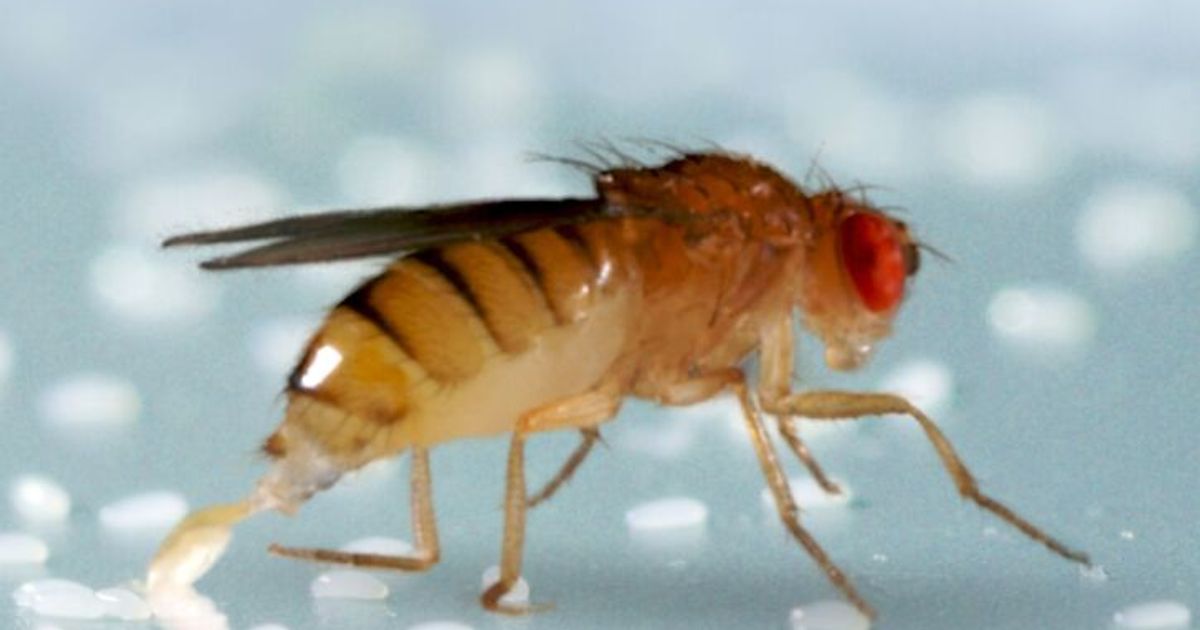
Die Artenvielfalt von Taufliegen (Drosophila) im Raum Wien ist in den vergangenen drei Jahrzehnten massiv eingebrochen. Forschende des Naturhistorischen Museums (NHM) Wien berichten, dass die Zahl der in der Stadt nachgewiesenen Arten im Vergleich zu einer Erhebung aus dem Jahr 1994 um rund 50 Prozent gesunken ist. Die Ergebnisse, die nun im Fachjournal „Ecology and Evolution“ veröffentlicht wurden, deuten darauf hin, dass vormals häufige Arten durch zugewanderte Taufliegen verdrängt worden sein könnten.
Grundlage der aktuellen Analyse ist das Citizen-Science-Projekt „Vienna City Fly“, das 2024 einfache Fliegenfallen an freiwillige Laienforscher in Wien, Niederösterreich und dem Burgenland verteilte. Die zurückgesandten Proben wurden für die nun publizierte Studie gezielt auf Fänge in unmittelbarer Nähe menschlicher Siedlungen beschränkt – also auf Innenräume, Balkone und Gärten. Damit liegt ein detailliertes Bild jener Drosophila-Gemeinschaft vor, die besonders eng an vom Menschen geprägte Lebensräume gebunden ist.
Insgesamt wurden mehr als 18.000 Taufliegen gesammelt und taxonomisch bestimmt; dabei identifizierte das Team um NHM-Forscher Martin Kapun 13 Drosophila-Arten. Bemerkenswert ist der Nachweis zweier Arten, die bislang in Österreich nicht registriert waren: Drosophila (D.) mercatorum und D. virilis. D. mercatorum ist ursprünglich in den USA, Mexiko und Südamerika verbreitet und wurde im vergangenen Jahrhundert nach Europa eingeschleppt, D. virilis stammt aus Asien und hat sich erst seit relativ kurzer Zeit über die nördliche Hemisphäre ausgebreitet.
Die Zusammensetzung der Populationen zeigt eine deutliche Verschiebung hin zu wenigen dominanten Generalisten. D. mercatorum mit rund 8.800 Nachweisen und die Modellorganismus-Art D. melanogaster mit etwa 6.700 Funden waren die mit Abstand häufigsten Spezies in den Proben. „Dominiert wird die Drosophila-Population im Wiener Stadtgebiet von Generalisten mit starker Affinität zum Menschen“, erklärte Kapun der Austria Presse Agentur zufolge. Die Ergebnisse unterstreichen, dass zunehmende Verbauung und die starke Prägung durch menschliche Siedlungen mit einem Rückgang der Biodiversität einhergehen können – auch bei unscheinbaren Insekten, die als wichtige Indikatoren für den Zustand urbaner Ökosysteme gelten.