BANGKOK, June 30, 2026 /PRNewswire/ -- Webull Securities (Thailand) Co., Ltd. ("Webull Thailand"), a subsidiary of Webull Corporation (NASDAQ: BULL), the owner of the Webull trading platform, announced the signing of an agreement to acquire Pi Securities Public Company Limited ("Pi Securities"), a trusted investment services provider with more than 50 years of experience in Thailand's capital markets.

This acquisition reflects Webull's commitment to enhancing the digital investment experience for Thailand's new generation of investors as well as its commitment to scaling its footprint across the broader Southeast Asian financial ecosystem. It also demonstrates Webull's confidence in the potential of Thailand's financial and capital markets, as well as the value of Pi Securities, including its customer base, expertise in the Thai capital markets, investment product capabilities, and long-standing experience in serving Thai investors.
By merging Pi Securities' deep understanding of Thailand's capital markets with Webull's world-class digital investing platform, Webull expects to expand its offering of investment products and build a comprehensive ecosystem to meet the needs of Thailand's investors.
"We remain committed to prioritizing the care of clients and investment consultants across both Webull and Pi Securities. We are also fully dedicated to upholding and enhancing service standards throughout this transition," said Chonladet Khemarattana, Chief Executive Officer of Webull Thailand. "This investment will enable us to integrate Webull's strengths in technology, infrastructure, and platform development capabilities with Pi Securities' expertise in Thailand's capital markets, its investment product offerings, and its client service experience. Together, this will enhance our competitive capabilities and support sustainable long-term growth."
The acquisition will be carried out through a share purchase agreement signed between Webull Thailand's direct parent company and Country Group Holdings Public Company Limited ("CGH"), the controlling shareholder of Pi Securities, under which Webull will purchase all of the shares held by CGH at a price that values Pi Securities at approximately US$100 million. Completion remains subject to the satisfaction of customary closing conditions, including relevant regulatory approvals and shareholder approvals. Disclosure of the acquisition was submitted to the Stock Exchange of Thailand (SET) on 29 June 2026 in accordance with relevant rules and regulations.
About Webull Thailand
Webull Securities (Thailand) Co., Ltd. is a leading financial services provider, licensed to conduct securities business by the Ministry of Finance and regulated by the Securities and Exchange Commission Thailand (SEC). The company is also the 9th member of the Stock Exchange of Thailand (SET). Webull Thailand provides Thai investors with seamless access to investment opportunities across the U.S., Thai, Hong Kong, and China A-Share markets, including stocks, ETFs, and options, through a secure and intuitive digital investment platform. The company is committed to delivering innovative investment solutions while upholding the highest standards of service, technology, and security for Thai investors. Learn more at www.webull.co.th.
About Webull Corporation
Webull Corporation (NASDAQ: BULL) owns and operates Webull, a leading digital investment platform built on next-generation global infrastructure and AI technologies. Through its global network of licensed brokerages, Webull offers investment services in 16 markets across North America, Asia Pacific, Europe, Africa, and Latin America. Webull serves more than 27 million registered users globally, providing retail and institutional investors with 24/7 access to global financial markets. Users can put investment strategies to work by trading global stocks, ETFs, options, futures, fractional shares, and digital assets through Webull's trading platform, which seamlessly integrates market data and information, its user community, and investor education resources. Learn more at www.webullcorp.com.

Photo - https://mma.prnewswire.com/media/3002331/image1.jpg
Logo - https://mma.prnewswire.com/media/2278678/Webull_Logo.jpg
 View original content:https://www.prnewswire.co.uk/news-releases/webull-to-strengthen-its-presence-in-thailand-by-acquiring-pi-securities-302814421.html

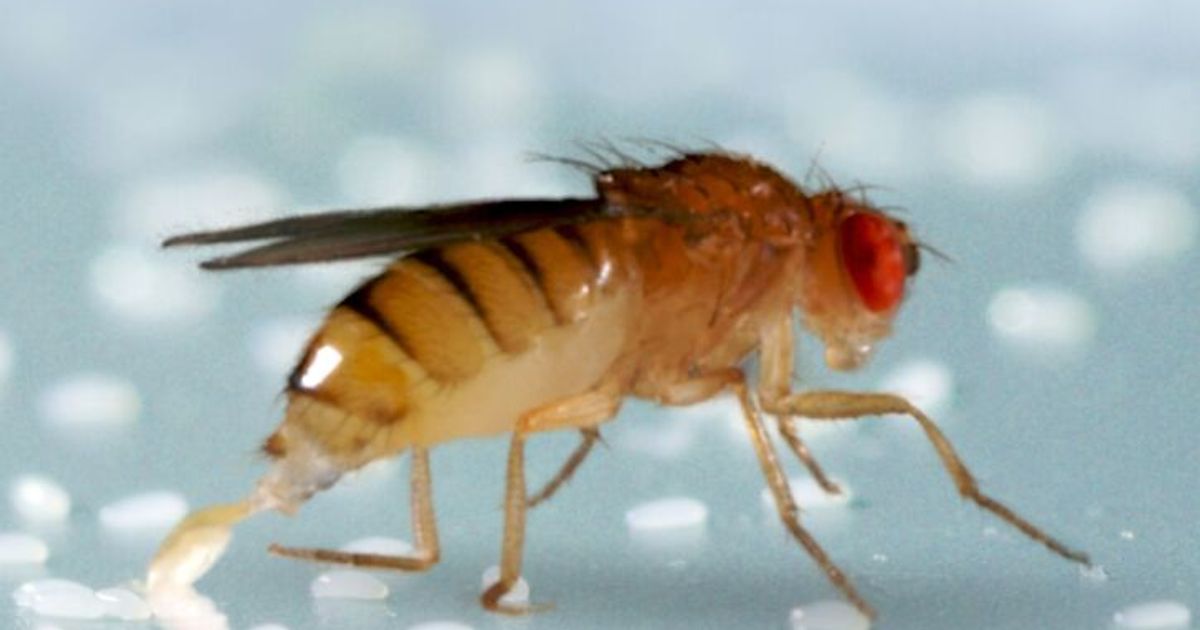
Die Artenvielfalt von Taufliegen (Drosophila) im Raum Wien ist in den vergangenen drei Jahrzehnten massiv eingebrochen. Forschende des Naturhistorischen Museums (NHM) Wien berichten, dass die Zahl der in der Stadt nachgewiesenen Arten im Vergleich zu einer Erhebung aus dem Jahr 1994 um rund 50 Prozent gesunken ist. Die Ergebnisse, die nun im Fachjournal „Ecology and Evolution“ veröffentlicht wurden, deuten darauf hin, dass vormals häufige Arten durch zugewanderte Taufliegen verdrängt worden sein könnten.
Grundlage der aktuellen Analyse ist das Citizen-Science-Projekt „Vienna City Fly“, das 2024 einfache Fliegenfallen an freiwillige Laienforscher in Wien, Niederösterreich und dem Burgenland verteilte. Die zurückgesandten Proben wurden für die nun publizierte Studie gezielt auf Fänge in unmittelbarer Nähe menschlicher Siedlungen beschränkt – also auf Innenräume, Balkone und Gärten. Damit liegt ein detailliertes Bild jener Drosophila-Gemeinschaft vor, die besonders eng an vom Menschen geprägte Lebensräume gebunden ist.
Insgesamt wurden mehr als 18.000 Taufliegen gesammelt und taxonomisch bestimmt; dabei identifizierte das Team um NHM-Forscher Martin Kapun 13 Drosophila-Arten. Bemerkenswert ist der Nachweis zweier Arten, die bislang in Österreich nicht registriert waren: Drosophila (D.) mercatorum und D. virilis. D. mercatorum ist ursprünglich in den USA, Mexiko und Südamerika verbreitet und wurde im vergangenen Jahrhundert nach Europa eingeschleppt, D. virilis stammt aus Asien und hat sich erst seit relativ kurzer Zeit über die nördliche Hemisphäre ausgebreitet.
Die Zusammensetzung der Populationen zeigt eine deutliche Verschiebung hin zu wenigen dominanten Generalisten. D. mercatorum mit rund 8.800 Nachweisen und die Modellorganismus-Art D. melanogaster mit etwa 6.700 Funden waren die mit Abstand häufigsten Spezies in den Proben. „Dominiert wird die Drosophila-Population im Wiener Stadtgebiet von Generalisten mit starker Affinität zum Menschen“, erklärte Kapun der Austria Presse Agentur zufolge. Die Ergebnisse unterstreichen, dass zunehmende Verbauung und die starke Prägung durch menschliche Siedlungen mit einem Rückgang der Biodiversität einhergehen können – auch bei unscheinbaren Insekten, die als wichtige Indikatoren für den Zustand urbaner Ökosysteme gelten.